
In many industrial systems, one of the most common issues is actually quite simple: unstable temperature. Cooling water that is supposed to support system performance can gradually become too hot, increasing the workload of equipment and reducing overall efficiency.
If this condition is left unmanaged, it can lead to more serious problems. Not only does it affect system performance, but it may also accelerate equipment wear and damage over time. This is where a cooling tower plays a critical role in maintaining stable operation.
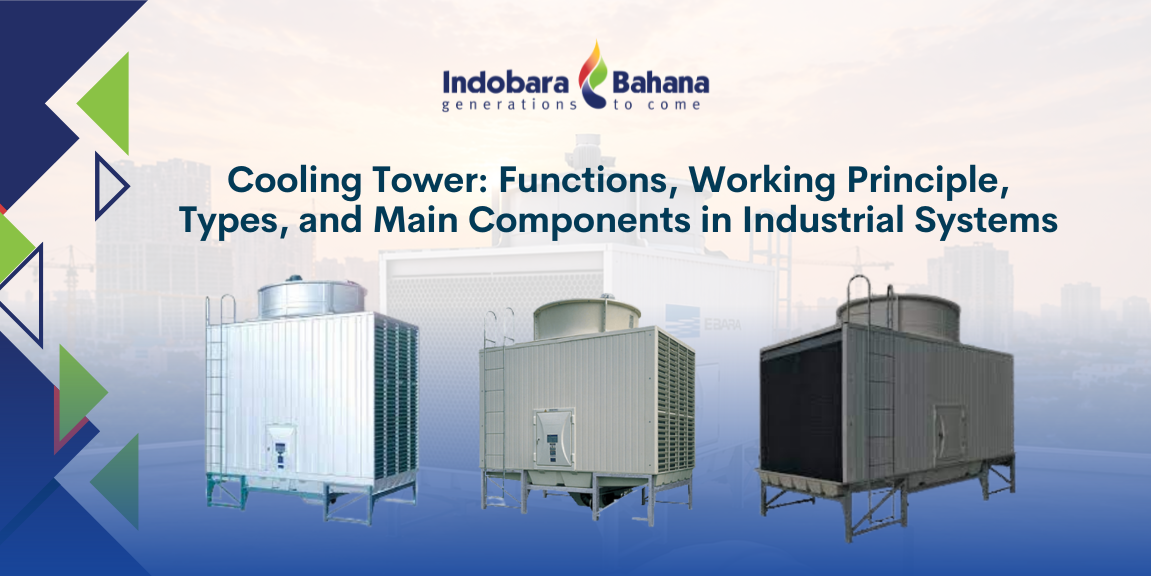
A cooling tower is a system designed to remove heat from water by transferring it to the surrounding air. Hot water from industrial processes is circulated into the unit, cooled down, and then reused within the system.
At a glance, it may seem like a simple process. However, inside the system, continuous heat exchange occurs to ensure efficient cooling, even under varying operational loads. Rather than discarding water, the system recycles it, making the process both efficient and sustainable.
In real-world applications, many operational issues begin with inefficient cooling. When temperatures are not properly controlled, system performance can decline without immediate notice.
Some key benefits of using a cooling system include:
With better temperature control, systems can operate more consistently without unnecessary strain.
The working principle of this system is relatively straightforward. Hot water enters the unit and is distributed in the form of fine droplets through a water distribution system.
At the same time, air is drawn into the tower by a fan. When water comes into contact with the airflow, a small portion evaporates, carrying heat away from the system.
The cooled water is then collected in the basin at the bottom and recirculated back into the process. In systems such as Shinwa, water distribution is designed to be uniform, ensuring consistent cooling performance across the entire unit.
Different applications require different cooling configurations. The selection depends on operational needs and environmental conditions.
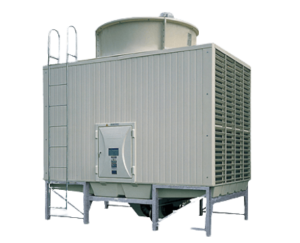
This is the most commonly used type. Water comes into direct contact with air, allowing faster and more efficient cooling. It is widely applied in HVAC systems and general industrial processes where water quality is not highly sensitive.
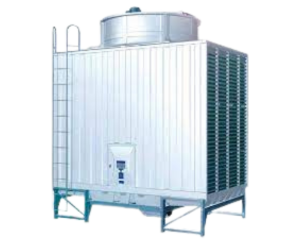
In this system, water does not directly contact the air. Instead, cooling occurs through a coil or heat exchanger. This type is suitable for applications that require better water quality control, especially in sensitive systems.
To ensure optimal performance, a cooling system consists of several essential components:
In many cases, performance issues are not caused by system design, but by insufficient maintenance. This often goes unnoticed because the system may still appear to be running normally.
Common issues include water contamination, microbial growth, and uneven water distribution. Over time, these factors can gradually reduce system efficiency.
Regular maintenance and proper water treatment are essential to maintain optimal performance.
Cooling systems are widely used in industries that require stable temperature control during operation.
Typical applications include HVAC systems in buildings, manufacturing processes, power plants, data centers, and chemical processing facilities.
In most cases, these systems are integrated with pumps and water distribution systems as part of a larger operational setup.
If you are looking for a reliable solution for industrial or HVAC applications, it is important to choose products with proven performance and durability.
One widely used option is Shinwa Cooling Tower (EBARA Group). Known for its corrosion-resistant design, stable performance, and ease of maintenance, it is suitable for a wide range of applications.
These units are commonly used in HVAC systems as well as large-scale industrial operations that require consistent temperature control.
We do not only supply products we ensure that the system you use fits your actual operational needs. Through PT Indobara Bahana, you will receive original products, technical support for proper unit selection, and aftersales services to support long-term operation.
Our experience across various industrial and commercial projects allows us to provide more practical and reliable solutions. Explore the best Shinwa cooling tower solutions from PT Indobara Bahana and find the right system for your needs.
Still unsure which type to choose? Contact our team via WhatsApp for consultation and tailored recommendations.
FM-200 Fire Suppression System: Functions, How It Works, and Components
The FM-200 Fire Suppression System is a clean agent solution used to protect electronic equipment and high-value assets. In server rooms, communication centers, or control rooms, choosing the right extinguishing agent is important because particles and oily deposits can increase cleanup requirements and interfere with the protected equipment. This system uses a gaseous clean agent […]
See Details
Fire Alarm Systems: Functions, Components, Types, and How They Work
A fire alarm system is an essential part of building safety because it helps detect early signs of fire and alerts occupants before the situation becomes more dangerous. Smoke or a rise in temperature may appear before flames are visible, allowing occupants and emergency personnel to respond more quickly. A fire alarm is not simply […]
See Details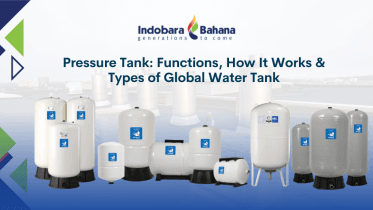
Pressure Tanks: A Reliable Solution for Stable Water Pressure and Longer Pump Life
Fluctuating water pressure is often seen as a minor issue. In reality, it can force pumps to work harder, increase energy consumption, and accelerate wear on the entire piping system. One of the key components that helps maintain stable system performance is a pressure tank. A pressure tank acts as a pressure-balancing device within a […]
See DetailsNeed the right engineering solution for your project? Our expert team is ready to provide insights and the best recommendations. Send us your questions, and we’ll get back to you soon.


